
My recent visit to Nigeria took me to both Abuja and Lagos, two cities that offered distinctly different but equally valuable insights into the country’s economic and entrepreneurial landscape. The trip combined personal and professional engagements, allowing me to observe infrastructure, interact with entrepreneurs, and explore opportunities for collaboration within the business and educational sectors.
From the well-organised capital city of Abuja to the high-energy commercial centre of Lagos, each location provided a unique perspective on innovation, leadership, and potential. What I encountered was a vibrant, resilient entrepreneurial culture navigating significant challenges with remarkable creativity and drive.
Abuja: First Impressions and Entrepreneurial Insights
My journey began in Abuja, where I spent several days attending to personal matters, including banking and logistics. During this time, I had the chance to take in the city’s infrastructure and layout. Known for being one of Nigeria’s most structured cities, Abuja delivered a calm and spacious atmosphere.
The road network stood out immediately. Highways were wide and well-maintained, and while adherence to traffic lights varied, the flow of traffic remained generally smooth. The 40-minute journey from the airport to Admiralty Estate was free of congestion, offering a glimpse of the city’s potential as a functional capital. The mix of expanding urban development and wide open spaces, framed by the dramatic presence of Aso Rock, made a lasting impression.
Meeting Abuja-Based Entrepreneurs
While in Abuja, I met two entrepreneurs whose stories illustrated the diverse approaches to building businesses in Nigeria.
The first had an impressive portfolio: a trolley concession at Lagos Airport, a hotel near the airport, a restaurant, a wine bar, a travel agency, and plans for a private jet company. With 387 employees, he exemplified scale and ambition, and his network in the startup ecosystem was extensive.
The second ran a co-working space called Branded, which had been operating for five years. Her story offered a different view: one grounded in building community, offering flexible office solutions, and helping smaller ventures thrive.
What united both individuals was their international experience. Both had lived abroad before returning to Nigeria to start businesses, bringing with them global perspectives that informed how they navigated local challenges. Bureaucracy, economic volatility, and infrastructure gaps were common hurdles, yet neither entrepreneur expressed regret about returning. They were committed to creating businesses that matter.
Lagos: A City of Hustle, Energy, and Opportunity
Transitioning to Lagos was like switching gears entirely. Where Abuja was measured and formal, Lagos was immediate, intense, and brimming with possibility. The energy of the city was undeniable from the moment I arrived.
With a protocol service arranged by a very good friend, I was quickly immersed in the fast-moving rhythm of Lagos. The city requires a sharp mindset—a combination of resilience, speed, and flexibility. Conversations that evening focused on what it takes to build something meaningful in a city where competition is fierce and the pace is unrelenting.
Visiting Lagos Business School and Enterprise Development Centre
At 6 a.m. the following day, I headed to Lagos Business School and the Enterprise Development Centre (EDC). Both are located on the same campus, but it was the EDC that truly impressed me. Led by Peter Bamkole , and Nneka Okekearu , the centre is a purpose-built innovation hub offering incubation, training, and advisory services for entrepreneurs.

Peter and his team gave me a detailed tour of the facility, which includes high-tech training rooms, co-working spaces, a canteen, and breakout areas. Founders I spoke with consistently mentioned the EDC as instrumental to their growth, validating its impact and reach.
Pan-Atlantic University and the Yemisi Shyllon Museum of Art
Later that day, I visited Pan-Atlantic University (PAU), one of Nigeria’s top-ranked academic institutions. The campus environment was serene and focused, clearly designed to support academic excellence. PAU was highly ranked in Sub-Saharan Africa by the 2024 Times Higher Education rankings. The campus was an oasis of serenity admist the sprawling, electric energy of Lagos. The students and faculty alike were highly respectful and hospitable.
A highlight of the visit was the Yemisi Shyllon Museum of Art. The museum, founded by Prince Yemisi Shyllon, houses over 1,000 works of art, many of which have been repatriated to Nigeria. It serves not only as a cultural archive but also as a symbol of the country’s ongoing effort to reclaim and preserve its heritage.
Entrepreneur Roundtable: Lessons from the Field
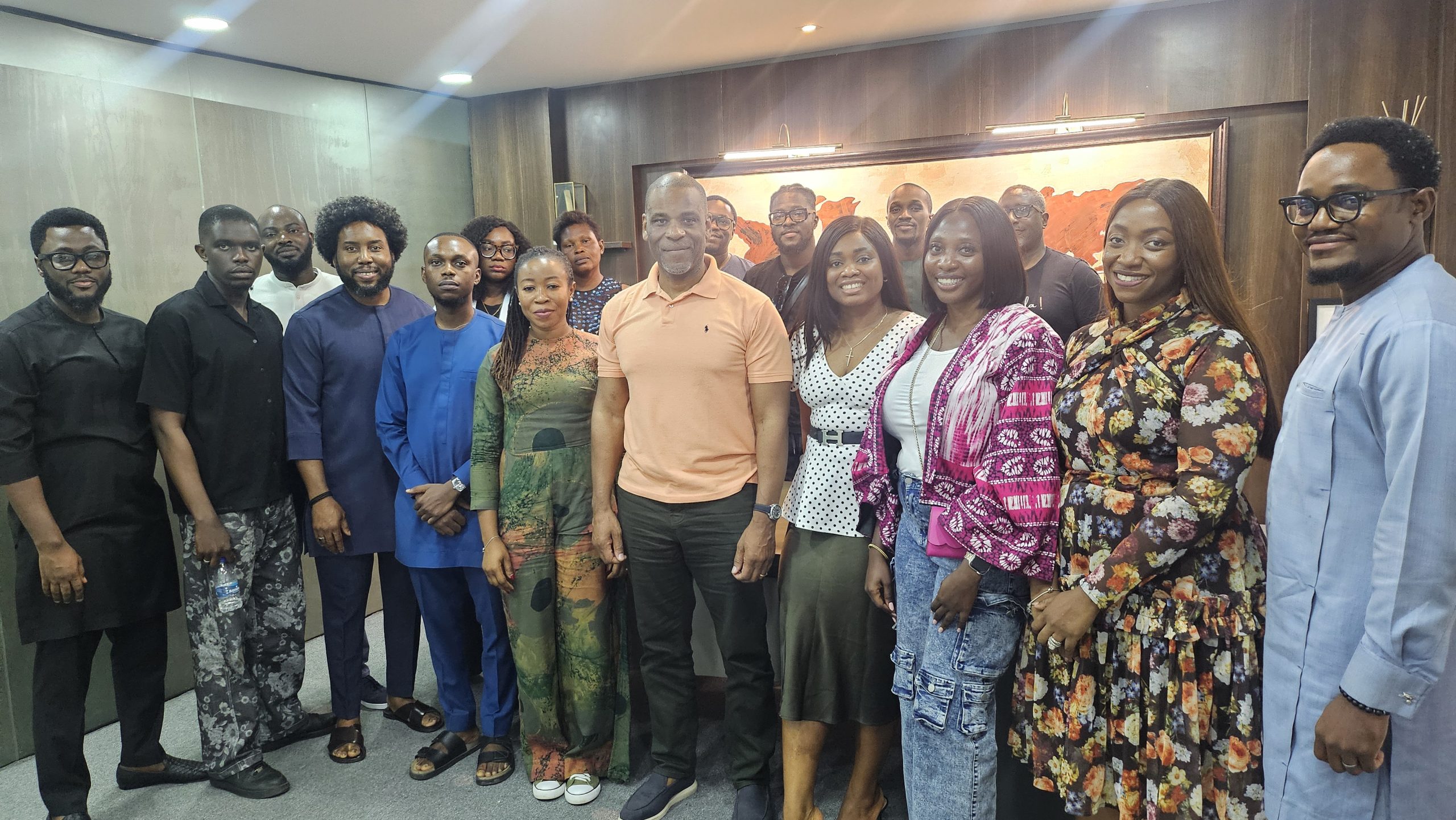
The most impactful part of my trip came the next day when I met with 16 entrepreneurs from various sectors including fintech, logistics, healthcare, and education. Two of the founders were already part of the School of Founders program, underscoring its growing relevance.
Our discussion revealed key themes:
- Funding Constraints: The volatility of the Naira has pushed founders to seek USD-based funding wherever possible.
- Self-Leadership: Only one of the 16 founders was actively investing in their personal leadership development, suggesting a significant gap and opportunity.
- Global Mindsets: There was overwhelming interest in forming international partnerships to co-create solutions with global relevance.
The level of grit and creativity in the room was astonishing. These founders are not waiting for ideal conditions. They are building solutions now, often with limited resources and tremendous uncertainty.
Final Thoughts and Future Possibilities
Lagos was exceptional. It offered scale, talent, urgency, and a palpable sense that anything is possible. The entrepreneurial spirit I encountered is exactly the kind of energy that fuels meaningful change.
As I reflect on the trip, several ideas come to mind for how to continue engaging. Nigeria is a country of incredible challenges and even greater opportunities. And if the conversations, experiences, and people I encountered are any indication, the future is not only bright—it is already being built.