
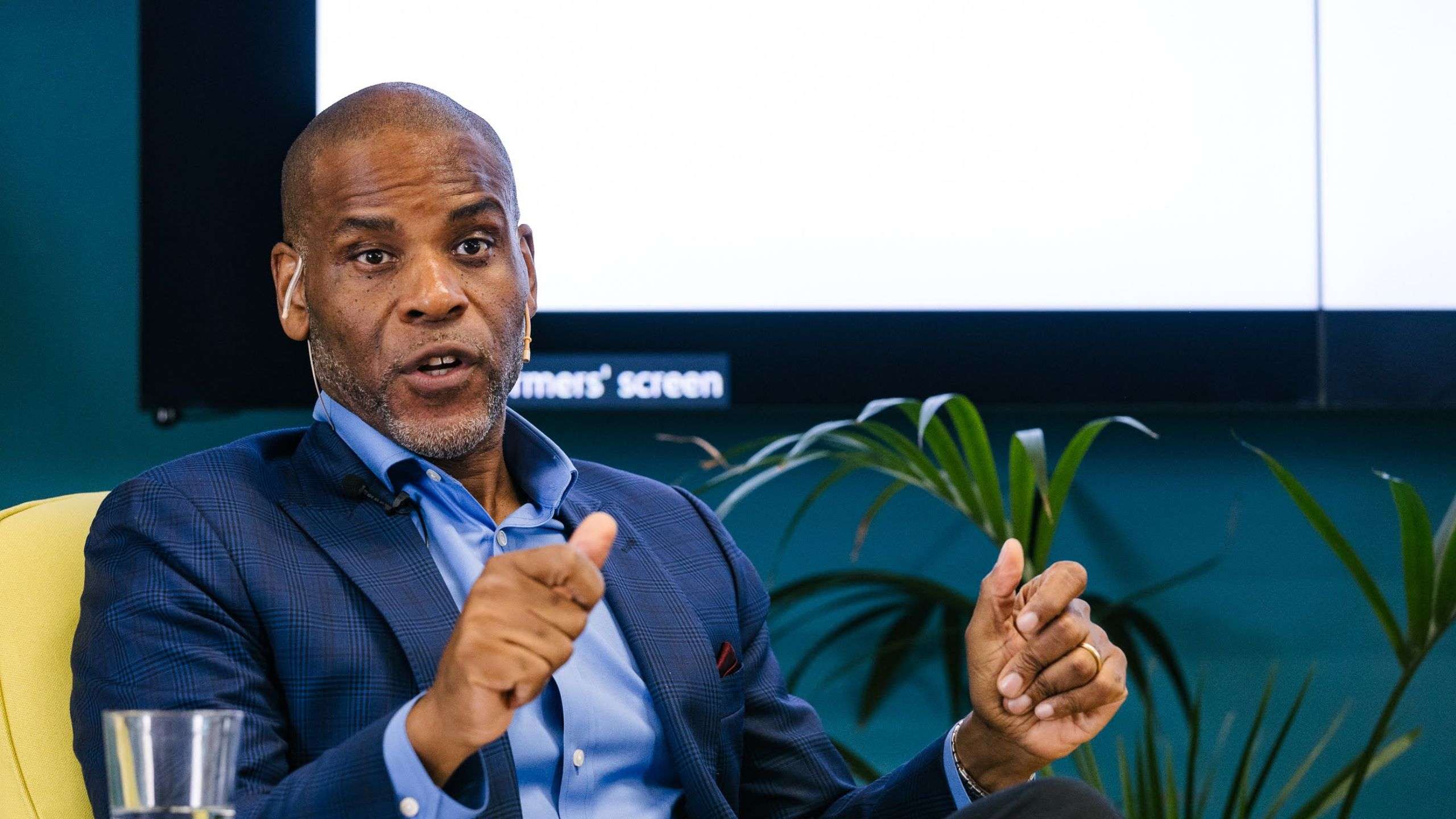
I’ve been reflecting on some of my assumptions about negotiation after a recent conversation on my podcast with Tony Shepherd. For years I’ve emphasised the value of a collaborative approach to negotiation. I still think it works well in most verticals, and in many situations it can deliver lasting, trust-based outcomes.
But the truth is, a significant number of negotiations are not collaborative in nature. Some are designed from the outset to be competitive, even adversarial. They can carry high levels of manipulation on both sides, and they don’t always allow for a focus on long-term relationships. In some cases, you don’t have the luxury of walking away, and the conversation is about extracting as much value as possible in the moment.
A skilled negotiator can sometimes shift a competitive negotiation into a more collaborative one. That’s a valuable skill, and when it’s possible, it often leads to better outcomes for everyone involved. But not every situation lends itself to that shift. There are negotiations where collaboration is simply not on the table, and to pretend otherwise can be dangerous.
This is where my thinking has been evolving.
I still believe in being fair and firm. But “empathy” and “emotional intelligence” should not be confused with softness, over-accommodation, or conflict avoidance. The challenge is integrating those qualities without letting them dilute the strength and assertiveness that certain situations demand.In many negotiations, there will be moments, sometimes opportunities, sometimes necessities, where you have to demonstrate real toughness. That could mean setting an immovable line, calling out manipulative behaviour, or addressing conflict directly and without hesitation. It’s not about being aggressive for the sake of it; it’s about showing your counterpart that you’re not afraid of conflict and that you can handle it head-on.
That’s why I believe mental toughness should also be taught as part of any negotiation strategy.
The idea is similar to martial arts: martial artists don’t train because they’re looking for fights. (at least the ones I know don´t). They train so that if trouble finds them, they have the skills to handle it. And any good martial artist will tell you they use those skills as a very last resort.
In most cases, simply knowing they have that capability in their back pocket allows them to move through conflict with calm, confidence, and composure. They can approach situations in a collaborative and emotionally intelligent way because they know they can handle things if they escalate. Everyone around them knows it too. And that, in itself, changes the dynamic.
What is your level of Conflict Comfort?
Negotiators need the same mindset. They should be able to sit with the discomfort of conflict without flinching. This is what Tony called “conflict comfort”, the ability to face high-pressure moments without losing your centre. It’s not about seeking conflict, but about having the mental, emotional, and tactical readiness to deal with it when it arises. High conflict comfort allows you to navigate the vast majority of situations with empathy and creativity, while still being fully prepared for the moments that demand firmness or even confrontation.
Another big lesson that has emerged for me is the importance of staying in your lane. Not every negotiator can—or should—negotiate everything. I specialise in shifting how leaders and their teams negotiate internally, in building long-term relationships where trust is the foundation, and in helping teams become comfortable with healthy conflict. Those are my areas of expertise, and they’re where I deliver the most value.
In my own conferences and events business, I’ve spent years negotiating hotel and venue contracts, and dealing with vendors all over the world. I know how to do it and I’m comfortable doing it. But there are professionals who are far more skilled than me at teaching others to negotiate those kinds of transactional contracts. My message is: be bold and clear about where you are truly exceptional, but don’t overextend your expertise.
A good athlete doesn´t mean good at all sports
Just because someone is a great badminton player doesn’t mean they can teach a weightlifter how to lift, even though both are athletes. The same is true in negotiation. Your credibility is strengthened, not weakened, when you are upfront about your speciality and when you point people to other experts in areas outside your own.
So, my current perspective can be summed up like this:
- Many negotiations are not collaborative by default.
- In some cases, a skilled negotiator can shift a competitive situation into a more collaborative one, but not always.
- Some negotiations are by design purely competitive, with little regard for the relationship or the long term.
- You can’t always walk away. In those cases, toughness and conflict comfort are essential.
- Mental toughness and emotional intelligence are not opposites—they can and should work together.
- Knowing your lane in negotiation keeps you credible and focused.
A Question for You
This reflection is about broadening my own toolkit in the ongoing quest to become the best version of myself. It reminds me of a moment in a programme I took part in last year for a multinational company, when one of the executive directors posed a powerful question to the group: When was the last time you changed your mind about something you were convinced was right? He then added, If you can’t remember, it’s either because you’re spending time with the wrong people and playing it safe, or because the people around you are too afraid to call you out. Either way, it’s not good.
I’ll ask the same question to you.