
A few years ago, I watched a senior executive lose a deal—not because they lacked the right numbers or didn’t prepare, but because they misread the emotional temperature in the room. They assumed silence meant agreement. It didn’t. It meant tension. That tension went unaddressed, and the opportunity slipped away.
This is the unseen side of negotiation: the emotional and psychological undercurrent that drives everything from tone and timing to trust and buy-in. When people talk about emotionally intelligent negotiation, they often focus on surface behaviours—listening well, showing empathy, managing conflict. But what underpins all of this is what’s happening in the brain.
Understanding the psychology behind emotionally intelligent negotiation gives us the tools to go beyond techniques and tap into how humans actually operate under pressure.
Emotions Are Not Irrational—They’re Informational
One of the biggest myths in business is that emotion and logic are opposites. They’re not. Emotions evolved to help us survive. They draw our attention to potential threats, signal what we care about, and guide our decisions—often faster than conscious thought.
In negotiation, these emotional signals are vital. They tell us when something doesn’t feel right, when we’re being pushed too far, or when the other party is holding back. If we ignore these signals—or worse, dismiss them as irrational—we cut ourselves off from essential information.
This is why emotionally intelligent negotiators don’t try to suppress emotion. Instead, they learn how to interpret it and respond constructively.
What the Brain Is Doing During Negotiation
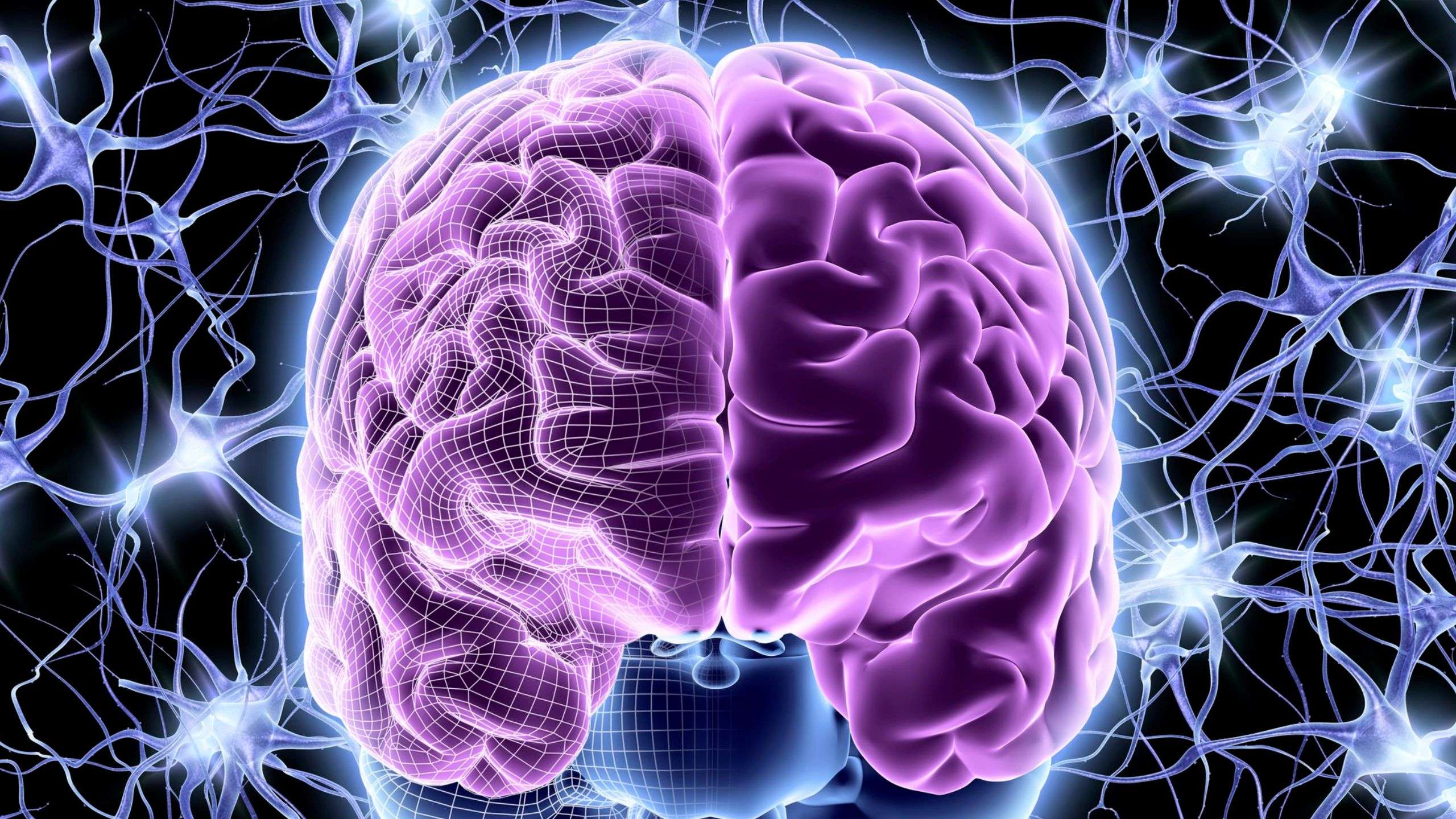
When we enter a negotiation, multiple brain systems activate at once. Two areas are especially relevant:
- The amygdala: This is the brain’s threat detector. When it perceives danger—social, financial, reputational—it can trigger a fight-or-flight response. This is useful in a crisis, but in negotiation, an overactive amygdala leads to defensiveness, impulsivity, and tunnel vision.
- The prefrontal cortex: This area governs self-regulation, planning, and empathy. It helps us pause, consider options, and stay calm under pressure. It also allows us to imagine what the other person might be thinking or feeling.
Successful negotiators learn how to regulate their amygdala response so they can keep their prefrontal cortex engaged. In practical terms, this means staying grounded, breathing deeply, noticing emotional reactions without being hijacked by them, and choosing when and how to respond.
The Role of Mirror Neurons: Why Emotional Contagion Matters
When you enter a negotiation, your brain is constantly picking up on the emotions of others. This happens through mirror neurons—specialised cells that allow us to feel what someone else is feeling just by observing them.
This is a huge advantage when it comes to building rapport. A calm, emotionally regulated negotiator can actually help regulate others. On the flip side, if you bring anxiety or aggression into the room, it can escalate fast.
This is where empathy becomes tactical. It’s not about being “nice”—it’s about reading the room and using that data to influence the dynamic. Emotionally intelligent negotiators know how to use tone, body language, and pacing to de-escalate tension and foster collaboration.
Emotional Regulation Builds Trust
Trust is the currency of negotiation. Without it, deals stall or fall apart. Interestingly, people are more likely to trust someone who stays emotionally consistent—even when they disagree.
Studies in organisational psychology show that emotional regulation plays a key role in how trustworthy someone appears. If your mood swings wildly or you become visibly triggered, others sense instability. But if you acknowledge emotion without losing control, you’re seen as strong, self-aware, and trustworthy.
That’s why emotionally intelligent negotiation is not about removing emotion. It’s about managing it well—especially in difficult conversations.
Practical Takeaways for HR and Business Leaders
So what does this mean in practice, especially for HR professionals, team leads, founders or training providers?
- Train people to notice their own emotional triggers. This helps reduce reactivity during tense discussions.
- Use brain-based techniques like pause-breathe-respond. Even a short pause allows the prefrontal cortex to catch up with the amygdala.
- Encourage reflective language. Phrases like “I’m noticing some tension here” or “Let’s slow this down for a moment” can reset the emotional tone.
- Normalise emotional dynamics in negotiation. Talking about feelings isn’t a weakness—it’s strategic insight.
- Design workshops that include neuroscience-backed insights. People engage more when they understand the “why” behind the method.
Why This Matters Now
In a world where leadership is under constant scrutiny and business relationships are increasingly complex, emotionally intelligent negotiation is a genuine competitive advantage. It helps teams resolve conflict faster, maintain psychological safety, and close deals that last.
If you want to lead negotiations that work in the long term—not just on paper, but in people’s minds—then it pays to understand what’s happening in the brain.
And if you missed them, you might find these earlier posts helpful in building a full picture of emotionally intelligent negotiation:
- What Is Emotionally Intelligent Negotiation and Why It Matters
- Top Emotionally Intelligent Negotiation Skills by Vertical
Ready to bring Emotionally Intelligent Negotiation into your organisation? Book a call with me to explore how this framework can transform communication and collaboration across your teams.