
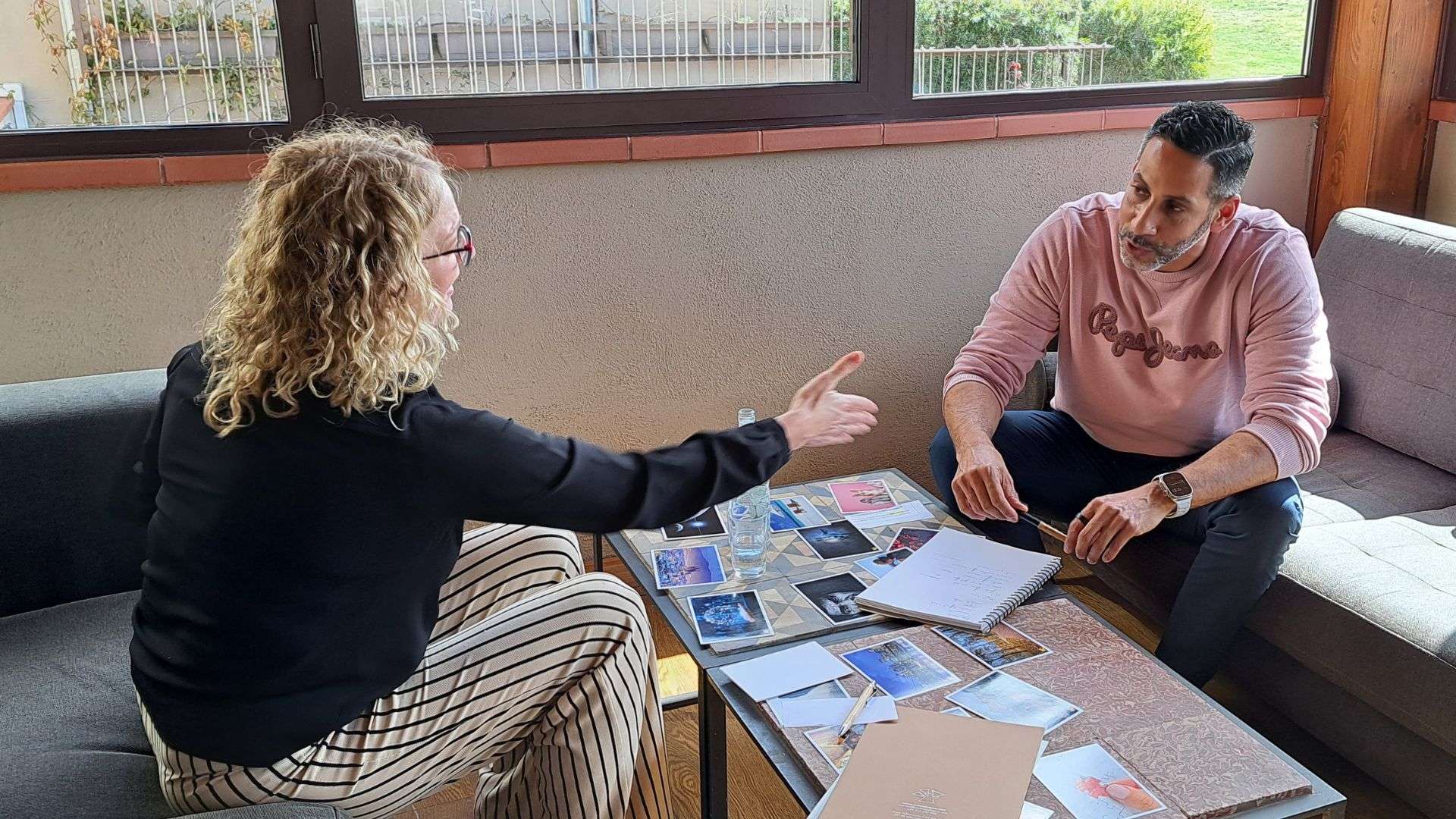
Last week, over coffee in Madrid, I had a conversation with a friend who has owned and managed restaurants in London for over 30 years. His career is a case study in resilient entrepreneurship—success built not only on good food and atmosphere, but on sound instincts and sharp negotiation. Whether haggling over rents, setting supplier terms, or managing disputes with staff, his approach has always been rooted in pragmatism.
So when I brought up the concept of emotionally intelligent negotiation, I wasn’t surprised by his reaction.
“You can’t show emotion in negotiation,” he said. “That’s weakness. You’ve got to keep a poker face.”
It’s a familiar line. And like many familiar lines, it contains a grain of truth. In negotiation, appearing too eager, anxious or uncertain can shift the power dynamic in a way that doesn’t serve you. But this instinct to suppress all emotion, to treat emotion itself as a liability, is outdated. Worse, it often results in missed opportunities, unresolved conflict, and fragile agreements that fall apart the moment pressure is applied.
What if the problem isn’t emotion, but unmanaged emotion? That’s the shift emotionally intelligent negotiation invites. It doesn’t ask us to be emotional—it asks us to be aware of emotion. To understand it. To work with it, not around it.
Why Emotion Has Been Treated as a Threat in Negotiation
For decades, the prevailing image of a good negotiator has been someone cool-headed, logical, and detached. We imagine courtroom dramas, high-stakes boardroom deals, or procurement officers grinding suppliers down to the last penny. In these stories, emotion is a liability. It clouds judgement. It weakens resolve. It invites manipulation.
But real-life negotiation—especially in the context of today’s workplace—isn’t so clear-cut. It’s messy, human, and full of nuance. There are conflicting needs, competing priorities, and unspoken tensions that don’t show up in spreadsheets. Whether you’re renegotiating a job role, handling a performance issue, or resolving a breakdown between two teams, the emotional landscape matters just as much as the financial or operational one.
If we ignore that, we negotiate in the dark.
A Real Example: When Anger Masked a Deeper Story
Paul Mijas (name changed) was a client of mine who had just renewed a commercial lease. He paid the final invoice and assumed the deal was done. Six months later, he received an unexpected bill from the solicitors—costs for additional work required to complete the transaction. The extra charges weren’t part of the original agreement, at least not in his mind.
Paul’s reaction was instant and emotional. He was furious. He believed he’d been taken advantage of. He stopped responding to emails, ignored follow-up calls, and refused to engage. From the outside, it looked like he was being unreasonable or defensive. But when we spoke, it was clear something deeper was going on.
His anger wasn’t really about the money. It was about the principle. He felt blindsided. He believed something had been hidden from him. The deal had felt clean and closed—and suddenly it wasn’t. His sense of control had been violated.
Once that emotion was named and acknowledged, his posture shifted. We explored how to communicate the frustration clearly and calmly—not to accuse, but to express what had broken down. He wrote a short but thoughtful message to the solicitor, describing his experience and asking for clarification. The solicitor responded promptly, pointing to a clause in the original contract. It had been there all along. It had even been discussed. But in Paul’s emotional state, none of that had mattered.
This story illustrates a common mistake: assuming that logic will always win. In truth, people need to feel seen before they can hear the facts. Until Paul’s emotions were acknowledged—even by himself—he wasn’t able to process the information objectively.
Emotionally Intelligent Negotiation Is About Awareness, Not Sentiment
Emotionally intelligent negotiation is not about being soft, sentimental or overly accommodating. It’s about recognising that emotions are always in the room—yours and theirs—and using that awareness to guide strategy.
It involves:
- Self-awareness: Recognising your own triggers and managing your emotional responses so you don’t derail the conversation.
- Empathy: Understanding what matters to the other party—not just their stated position, but their underlying concerns and values.
- Active listening: Listening to what’s being said, and what’s not being said.
- Adaptability: Adjusting your approach in real time, rather than sticking rigidly to a script.
These are not ‘soft’ skills. They’re sophisticated skills that require practice, reflection and the ability to stay grounded under pressure. They’re the very skills that separate the transactional negotiator from the transformational one.
Why This Matters for Today’s Leaders and HR Professionals
In today’s workplace, where collaboration, well being and inclusion are central to organisational success, emotionally intelligent negotiation is no longer optional. HR professionals, team leaders and executives are constantly negotiating—whether it’s formal contracts or informal team dynamics.
Understanding how emotions drive behaviour allows us to craft solutions that stick. It reduces post-deal fallout. It builds trust, even in difficult conversations. And crucially, it transforms negotiation from a zero-sum contest into a process of aligned problem-solving.
So yes, there’s still value in keeping your cool. But cool doesn’t mean cold. It means composed. Emotionally intelligent negotiators aren’t robots—they’re skilled human beings who bring their full selves into the room. They know that behind every hard stance is a human story. And it’s in understanding those stories that real progress is mad
It helps resolve conflicts, builds trust faster, and allows you to navigate complex conversations with more clarity and calm. In a world where people crave authenticity, not just strategic posturing, this skillset gives you a real competitive edge.
So, while the poker face might have had its day, today’s most effective negotiators understand that emotions aren’t something to suppress. They’re something to understand and use wisely. Building that emotional intelligence is building stronger, more lasting relationships, and ultimately, better deals.
Recommended Reading